There are certain things we don’t hold in our hands.
We hold them in our chest.
A box of old letters.
A piece of clothing that no longer fits.
A collection of items tied to someone you once loved, or still do.
When you come across these things, decluttering stops feeling practical and starts feeling personal.
Because the question is no longer:
Do I need this?
It becomes:
Am I allowed to let this go?
See also → Why Decluttering Doesn’t Work for Chronic Clutter
Why Sentimental Items Are So Hard to Release
Sentimental items are rarely about the object itself.
What are sentimental items?
Sentimental items are belongings that hold emotional meaning, often connected to memories, relationships, or identity, making them difficult to let go of.
They are about what the object represents.
A memory.
A version of your life.
A connection to someone.
A moment you don’t want to lose.
Letting go can feel like:
• losing the memory
• disrespecting the past
• forgetting someone important
• or even losing a piece of yourself
So instead, we keep the item.
Not because we need it… But because we don’t want to lose what it holds.
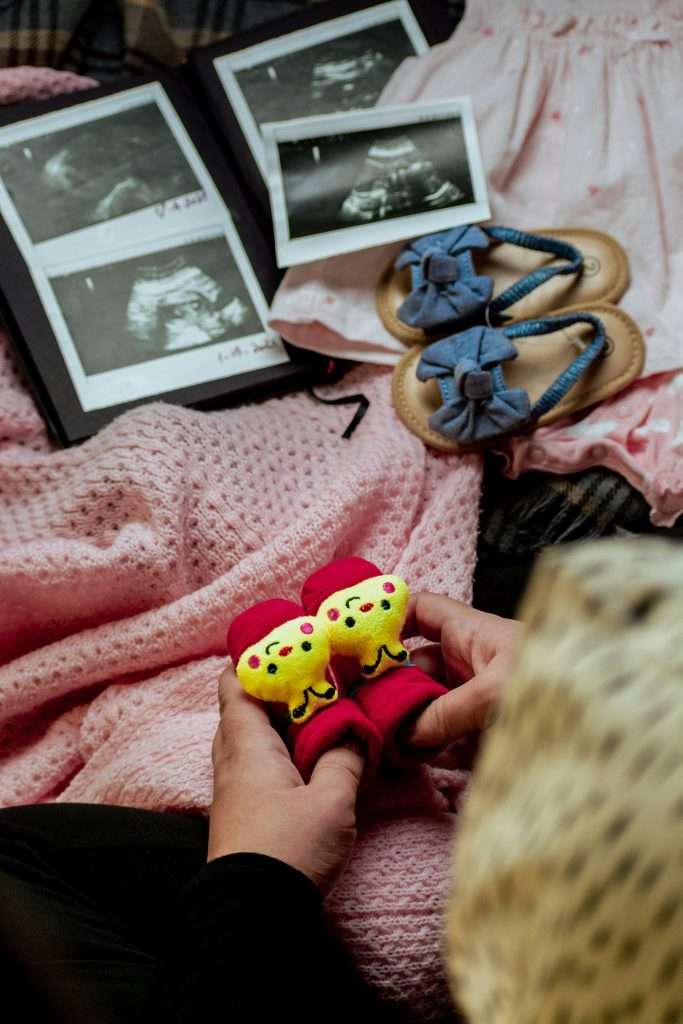
The Truth Most Decluttering Advice Misses
You are not attached to the item.
You are attached to what it means.
And meaning does not live inside objects.
It lives inside you.
This is where the shift begins.
Because if the meaning is not in the item…
Then letting go of the item does not erase the meaning.
Why Letting Go Feels Like Regret Before It Even Happens
Many people avoid letting go because they fear regret.
What if I miss it?
What if I wish I had kept it?
But something important is happening beneath that fear.
Your mind is trying to protect you from loss.
Even when the loss is symbolic.
So it creates hesitation.
It tells you:
“Keep it, just in case.”
But over time, “just in case” becomes the reason your space feels heavy.
A Different Way to Approach Sentimental Items
Instead of forcing decisions, try shifting the question.
From:
Should I keep this?
To:
What does this mean to me?
This creates space for clarity.
Because once you understand the meaning, you can choose how to honor it without automatically keeping the object.
Continue reading→ Emotional Clutter: The Hidden Reason You Can’t Let Go of Things
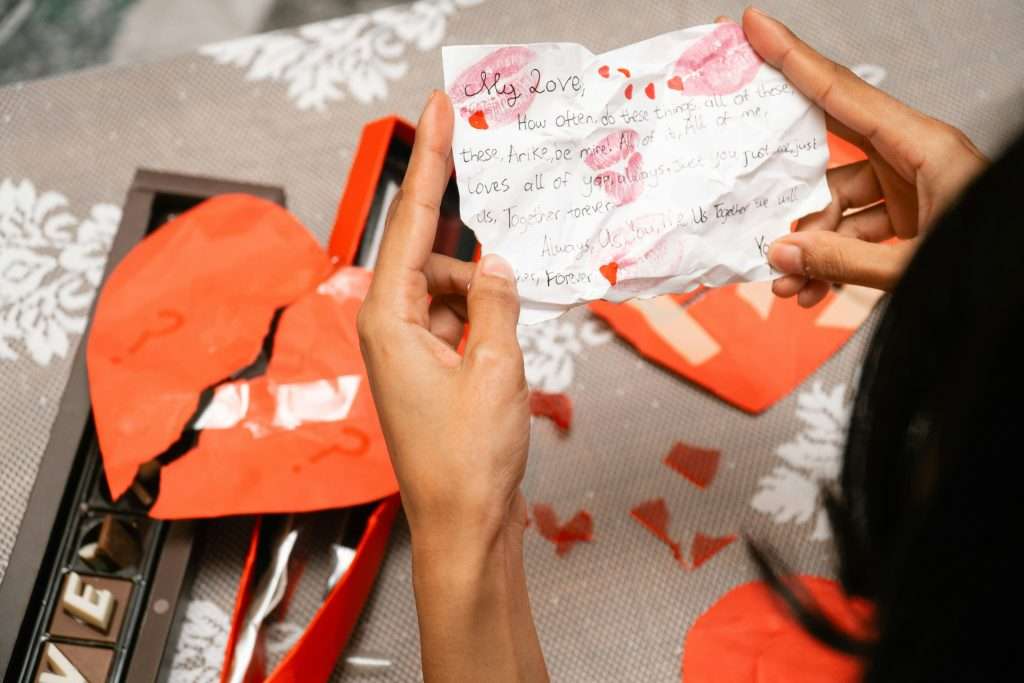
5 Gentle Ways to Let Go of Sentimental Items Without Losing the Memory
This is where emotional understanding becomes practical.
1. Keep the Meaning, Not Everything That Represents It
You do not need every item tied to a memory to preserve that memory.
Choose one or two pieces that truly capture the feeling.
Let the rest go.
Memory does not multiply because objects do.
2. Tell the Story Before You Release the Item
Sometimes we hold onto items because the story feels unfinished.
Before letting go, pause and reflect:
Where did this come from?
Why did it matter?
What did it represent in my life?
You can write it down or simply sit with it.
When the story is acknowledged, the object often feels lighter.
3. Create a “Memory Container”
Instead of letting sentimental items spread throughout your home, create one intentional space.
A box.
A drawer.
A small keepsake area.
This allows you to honor your past without letting it quietly take over your present.
4. Separate the Object From the Person
This is especially important with inherited or relationship-based items.
Letting go of an object is not letting go of the person.
Your connection does not live in the item.
It lives in your memory, your experiences, and your life.
5. Let Go in Layers
You don’t have to make every decision at once.
Start with what feels easiest.
As your confidence grows, deeper layers become easier to navigate.
Progress in this area is rarely sudden.
It is gradual and deeply personal.
What Regret Actually Looks Like
Regret is often feared more than it is experienced.
In reality, most people who thoughtfully let go of sentimental items do not feel lasting regret.
What they feel instead is:
• relief
• clarity
• emotional lightness
And sometimes… a quiet sense of peace.
When You’re Not Ready (And That’s Okay)
Not every item needs to be decided today.
If something feels too heavy, it’s okay to wait.
Forcing decisions too early can create resistance.
Understanding always comes first.
Letting go comes naturally after.
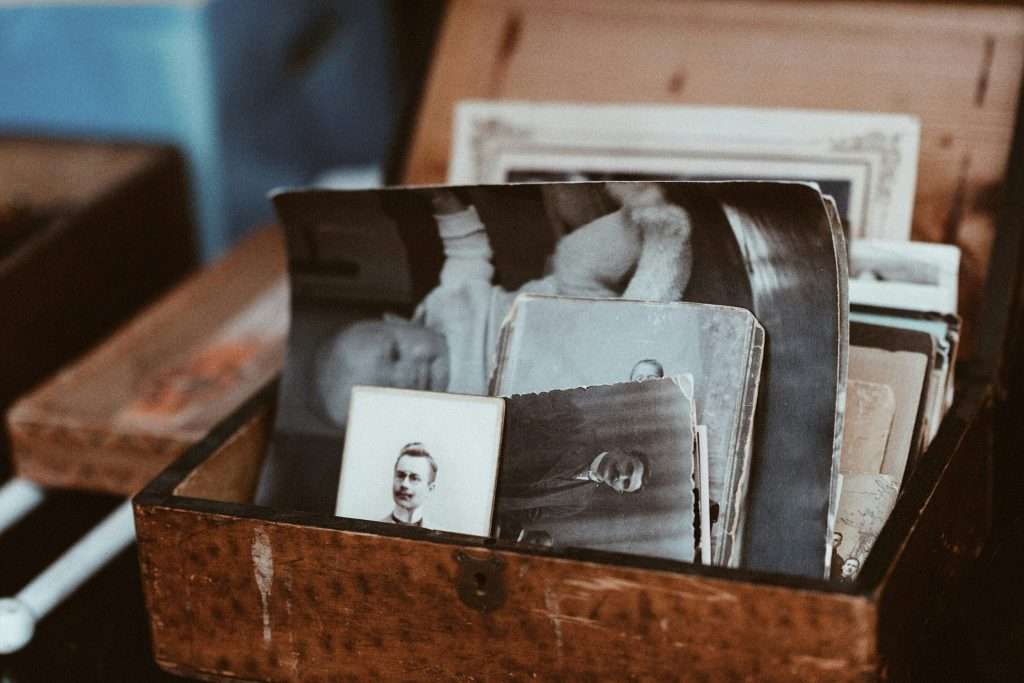
This Is About More Than Stuff
Sentimental clutter is not just about objects.
It is about how we relate to our past, our identity, and our emotions.
And when that relationship begins to shift, your home begins to change with it.
Not through force.
But through clarity.
Where This Leads
Letting go of sentimental items is one step in a much deeper process.
Because often, what we keep is connected to something even more foundational:
who we believe we are.
→ Continue reading: How Your Identity Is Quietly Creating Your Clutter
A Gentle Next Step
If this process feels emotional or overwhelming, you’re not alone.
This is exactly the kind of work explored inside The Order Within™, where we move beyond surface-level decluttering and into the patterns that shape our homes.
You don’t have to rush.
But you also don’t have to stay stuck.



These tips are really great, thank you for sharing! I have such a hard time with this, I have so many things of my parents and grandparents after their passing. I need to start doing the hard work 🙂
This timely reminder is just what I needed today ⎯ to separate the item from the person, and to tell the story, through words or writing, before you let it go. Thank you for guiding us through the “letting go” process!
This post definitely hit me hard. I’m absolutely the person you’ve described! I love your idea of a memory box.
Also, it feels powerful to go from “should I keep this” to “ What does this mean to me?” I will keep this mantra and way of thinking front of mind. This weekend I plan to dive into my closet. Oooof.
Really great read. Thank you.
Such thoughtful, valuable advice. Thank you!
Thank you for such a helpful article. I am a clutter bug and have an emotional attachment to almost everything! I like some of your alternative ideas for releasing clutter! I would highly benefit from your course when I decide to dig into the clutter again.
I really appreciate your thoughts on this subject. I think its one that is not talked about enough!