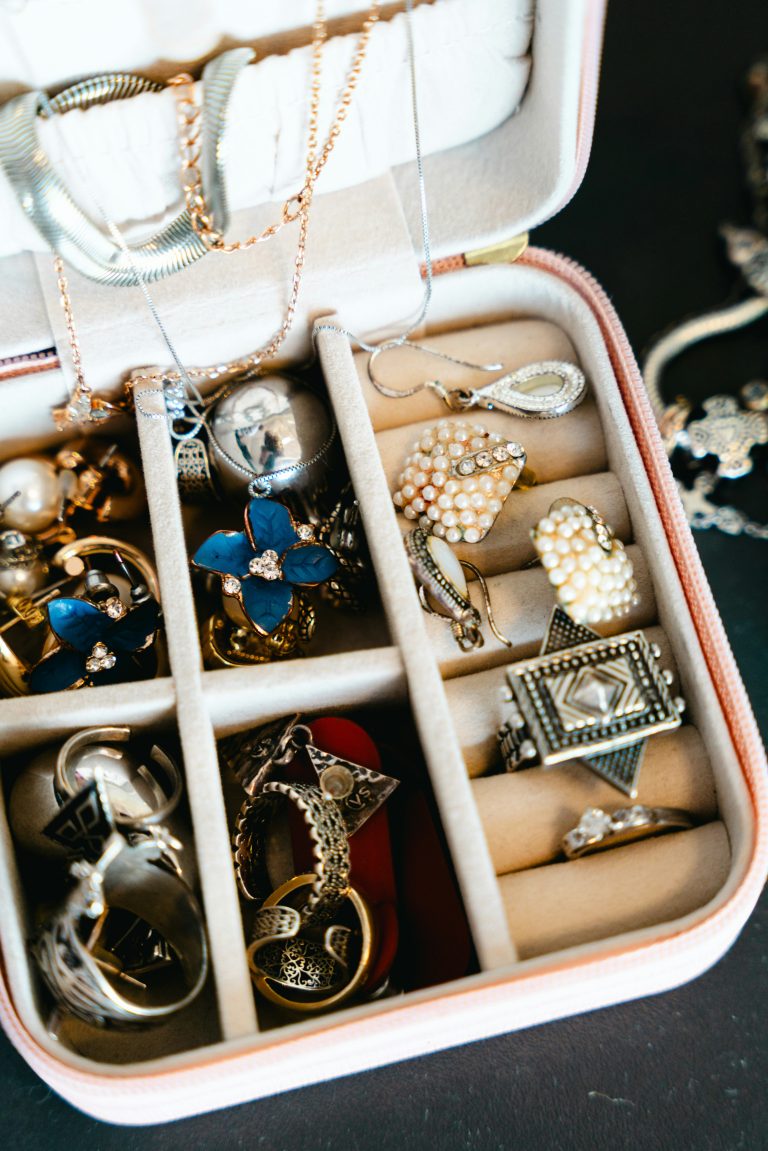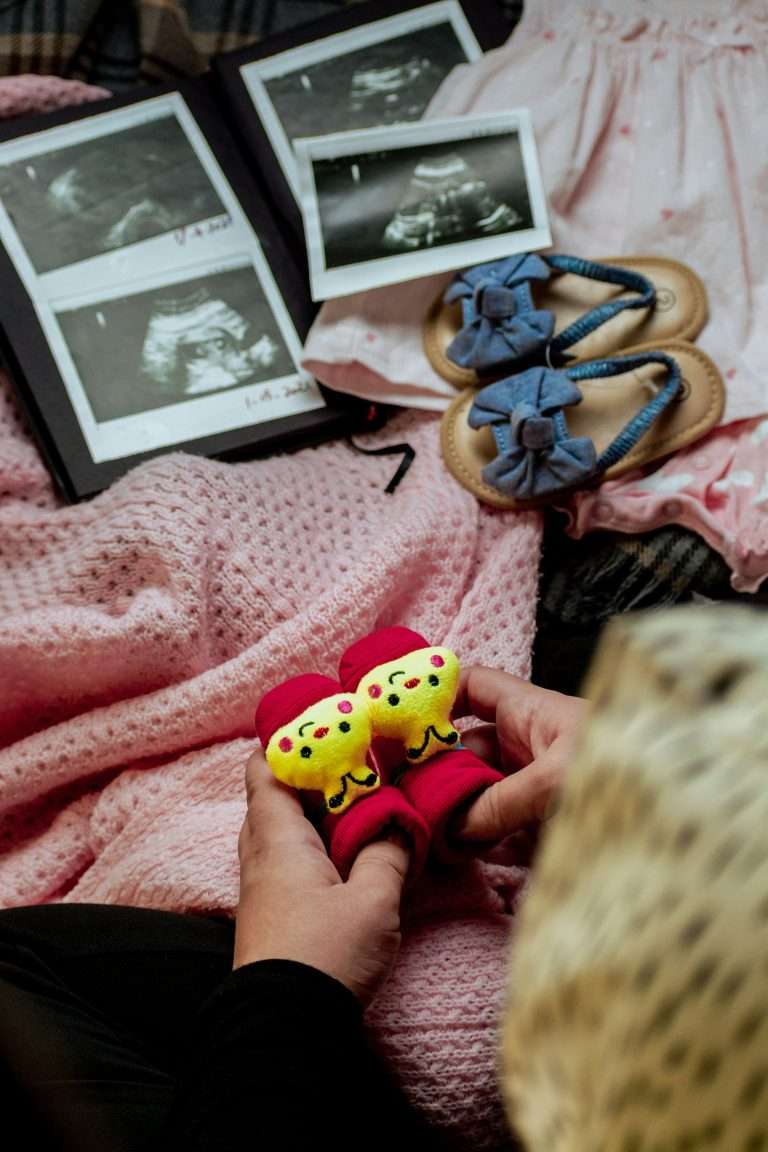
There are moments during decluttering that feel heavier than expected.
You pick up an object, and instead of making a simple decision, you pause.
Not because you need the item.
But because something about it feels… significant.
This is where many people begin to feel stuck.
Not in their home, but in the space between what they want to release and what they feel unable to let go of.
This experience has a name.
It is often called emotional clutter.
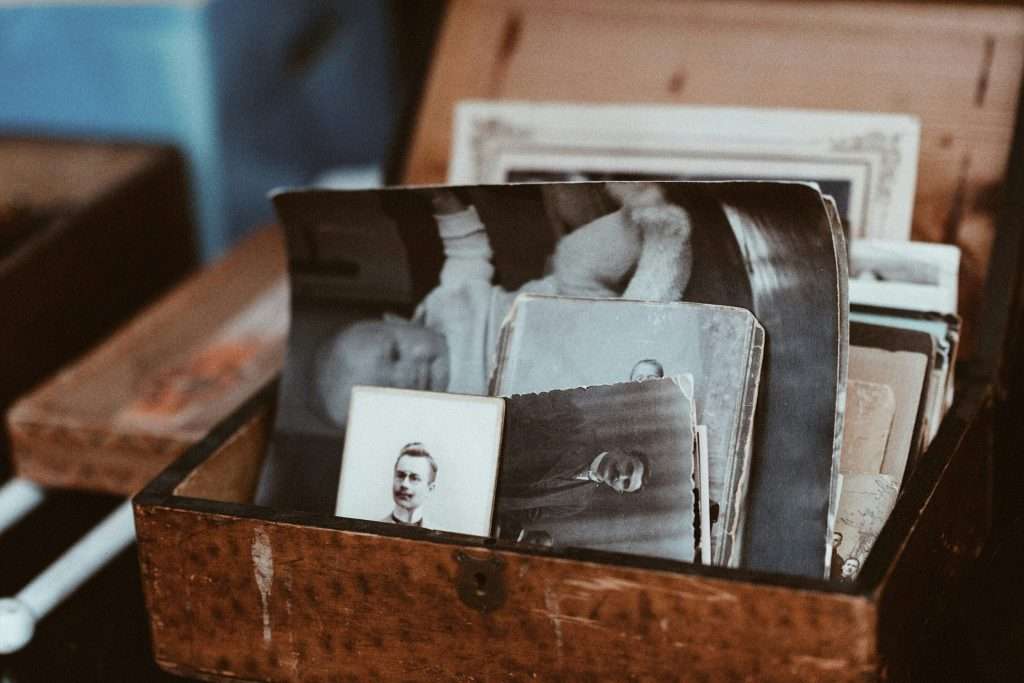
What Emotional Clutter Really Is
Emotional clutter is not about how much you own.
It is about what your belongings represent.
Objects can carry:
Memories
Identity
Guilt
Hope
Grief
Over time, these layers build quietly.
A closet, drawer, or storage bin can become less about storage and more about holding pieces of your life story.
Why Letting Go Feels So Difficult
Letting go of emotional clutter can feel like letting go of:
• a past version of yourself
• a meaningful memory
• a relationship
• a sense of possibility
Even when you logically know you don’t need the item, emotionally, it can feel important to keep it.
This is why traditional decluttering advice often falls short.
It asks you to make logical decisions about items that are not entirely logical.

Common Types of Emotional Clutter
Understanding the type of emotional clutter you are holding can bring clarity.
Guilt Clutter
“I should keep this because it was a gift.”
Memory Clutter
“This reminds me of a moment I don’t want to forget.”
Aspirational Clutter
“This represents who I want to become.”
Grief Clutter
“This belonged to someone I love.”
Each type requires a different kind of understanding.
Why Emotional Clutter Rebuilds Your Space
Even after decluttering, emotional patterns remain.
If objects are used to process feelings, create identity, or provide comfort, new items often take their place.
This is why clutter can return even after significant effort.
A Different Way Forward
Instead of asking:
“What should I get rid of?”
A more helpful question becomes:
“Why does this feel important to keep?”
That shift alone can begin to change everything.
Where This Leads
Understanding emotional clutter is the first step toward lasting change.
But it is only one layer.
Because behind emotional attachment is something even deeper:
identity
→ Continue reading: How Your Identity Shapes Your Home