For many people, decluttering feels like an endless cycle.
You spend a weekend sorting through drawers, closets, and cabinets. Bags fill with donations. Surfaces appear again. For a moment, your home feels lighter.
But slowly, almost quietly, the clutter begins to return.
A few items land on the counter. Papers accumulate. A drawer fills again. Months later, it can feel as though the entire effort has disappeared.
This experience is incredibly common, yet it often leads people to a painful conclusion:
Maybe I’m just a messy person.
But the truth is far more complex and far more hopeful.
For people who struggle with chronic clutter, decluttering alone rarely creates lasting change. Not because they lack discipline or motivation, but because clutter is often the visible result of deeper patterns.
Until those patterns are understood, the cycle tends to repeat.
Much of the organizing advice online assumes one thing:
If you simply remove enough things, your home will stay organized.
But this idea overlooks an important reality.
Clutter is not always created by excess possessions alone. It often grows from habits, emotional connections, and unconscious patterns that shape how we interact with our environment.
Two people can own the same number of belongings and have completely different experiences in their homes.
One feels calm.
The other feels overwhelmed.
The difference usually isn’t the objects. It is the relationship with them.
When decluttering focuses only on removing items, it treats the symptom rather than the source.
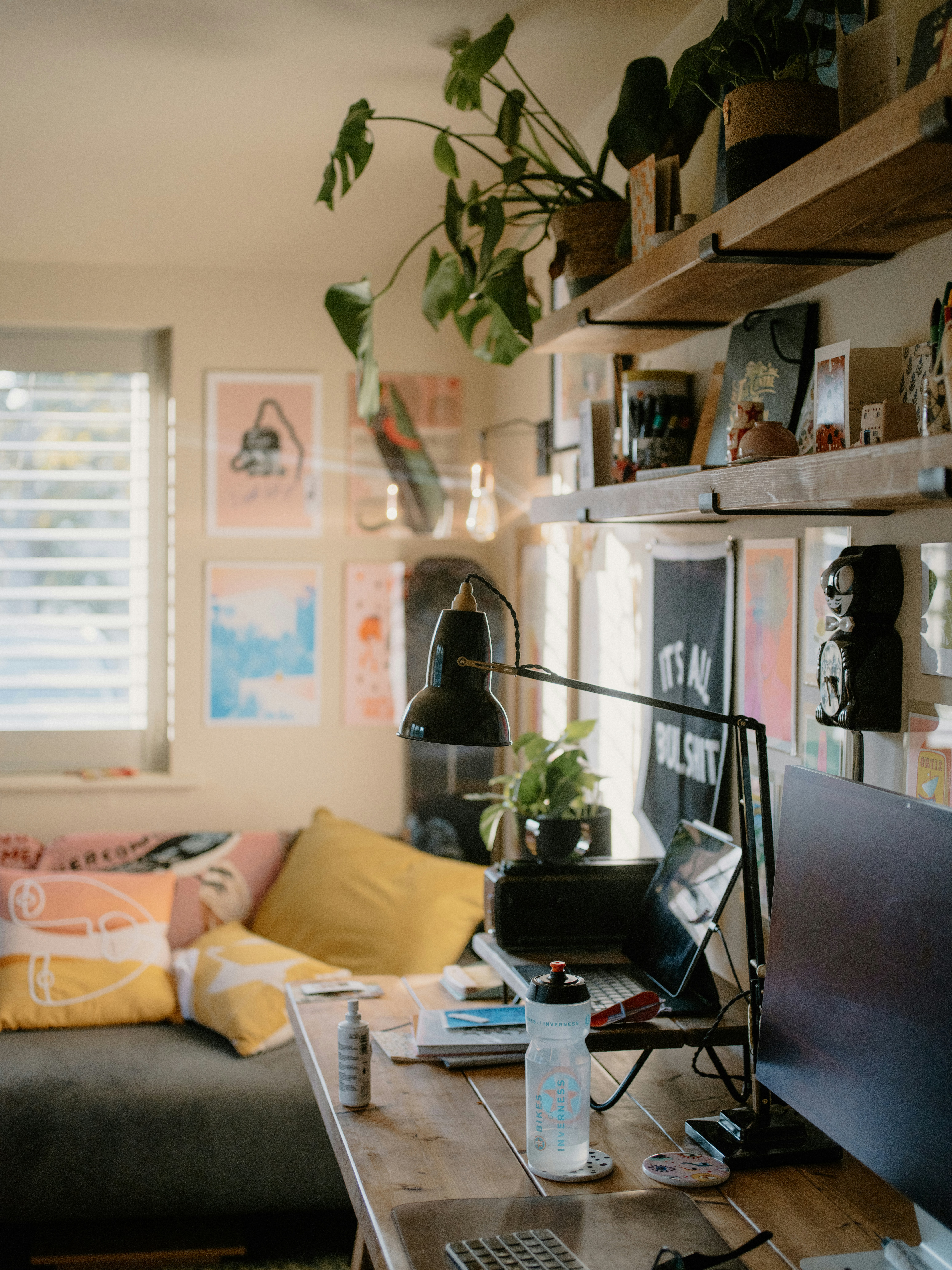
The Emotional Layer Behind Clutter
Many possessions carry invisible meaning.
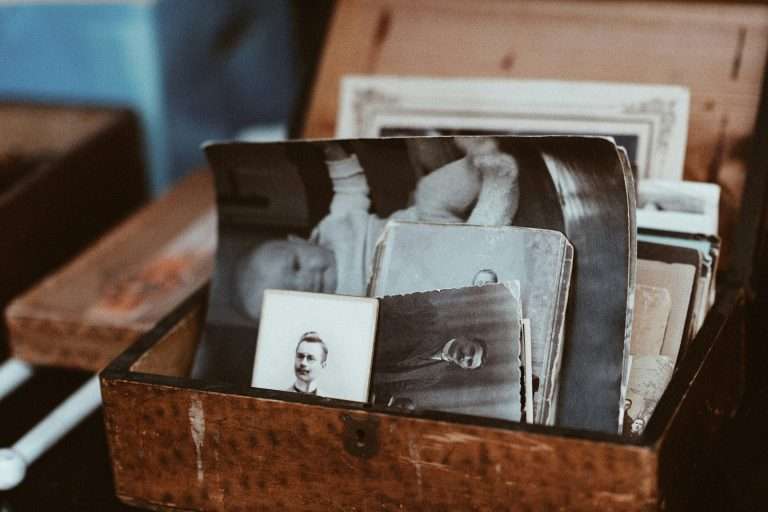
A box of childhood items might hold memories of a different chapter of life. A stack of inherited belongings may carry grief or responsibility. Even everyday objects can represent identity, aspirations, or unfinished intentions.
Because of this, letting go can feel far more complicated than simply deciding what to keep.
Some common emotional patterns behind clutter include:
• Guilt clutter
Items kept because they were gifts or because money was spent on them.
• Memory clutter
Objects tied to meaningful life moments.
• Aspirational clutter
Things that represent the person we hope to become.
• Grief clutter
Belongings connected to someone who has passed away.
When these emotional layers exist, decluttering can feel like a loss rather than relief. Even if items are removed temporarily, the underlying emotional patterns often lead new objects to take their place.
Why Clutter Quietly Returns
Many people assume clutter returns because they lack consistency.
In reality, the return of clutter is often the result of deeper habits that remain unchanged.
For example:
If someone shops when they feel stressed, new items will eventually refill empty spaces.
If decisions about belongings feel overwhelming, things may accumulate simply because choosing becomes exhausting.
If a person associates possessions with identity or security, letting go can feel unsafe.
Decluttering may temporarily clear the environment, but unless these patterns shift, the space gradually fills again.
It is similar to clearing water from a floor while a slow leak continues in the ceiling above.
Systems Alone Cannot Solve Chronic Clutter
Storage systems and organizing tools can be helpful. Baskets, bins, and labeled containers certainly have their place.
But for people experiencing chronic clutter, systems often become another layer rather than a solution.
When the underlying relationship with possessions remains unchanged, even the most beautiful system eventually breaks down.
Drawers fill again.
Counters collect items.
Closets slowly become crowded.
This is not a failure of effort. It is simply a sign that organizational methods alone cannot address the root cause.
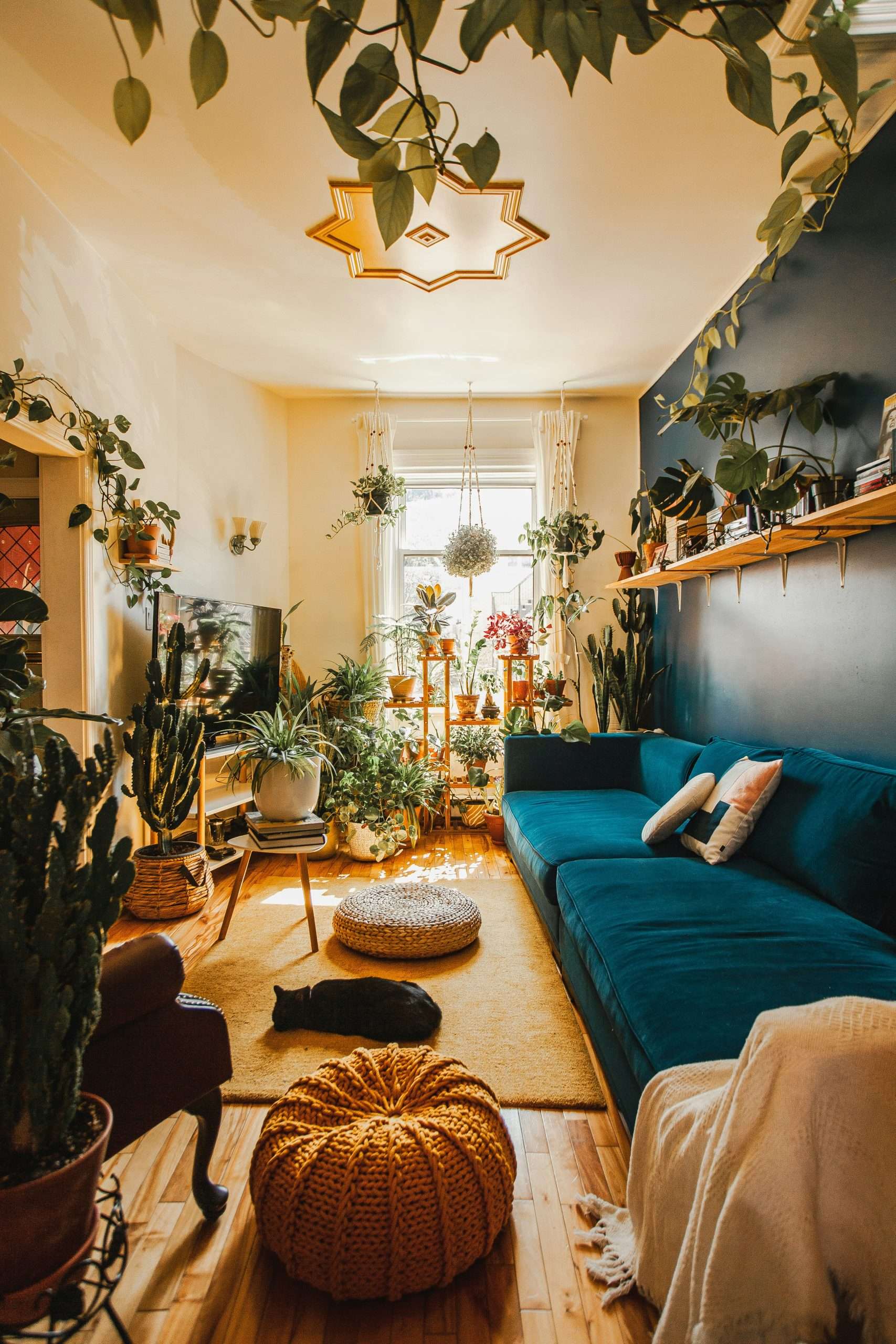
The Deeper Shift That Creates Lasting Order
Lasting change tends to occur when the focus moves away from controlling belongings and toward understanding the patterns behind them.
This shift involves exploring questions such as:
Why do certain items feel difficult to release?
What emotional needs do possessions fulfill?
How does identity influence what we keep?
What habits quietly shape the flow of objects into our homes?
When these questions are explored honestly, the environment often begins to change naturally.
Possessions become easier to evaluate.
Decisions feel clearer.
The home begins to reflect intention rather than accumulation.
Instead of forcing order through constant effort, order begins to grow from a different internal framework.
A Different Perspective on Decluttering
Decluttering is not inherently ineffective. In many cases, it is a useful and necessary step.
However, for those who have struggled with clutter for years, decluttering works best when it is part of a deeper process rather than the entire strategy.
When emotional patterns, habits, and identity are understood, decluttering stops feeling like a battle and becomes a natural outcome of clarity.
The goal is no longer to achieve a perfectly minimal home.
The goal becomes creating an environment that supports peace, function, and authenticity.
Moving Toward The Order Within™
Many homes remain in a constant state of reorganization because the focus stays on the external environment alone.
The idea behind The Order Within™ is simple but powerful:
External order tends to follow internal clarity.
When people begin to understand their emotional relationship with possessions, the pressure to constantly manage clutter often begins to ease.
Objects no longer carry the same weight. Decisions become lighter. Homes begin to reflect who someone truly is rather than who they feel they should be.
This shift rarely happens overnight.
But when it begins, the cycle of endless decluttering often fades.
A Gentle First Step
If you have spent years trying to declutter without lasting results, it may not be a matter of effort.
It may simply be time to look deeper.
Understanding the emotional and psychological layers of clutter can transform the entire experience of organizing a home.
You can continue exploring these ideas through the articles on The Order Within™ blog, where we examine the deeper patterns behind clutter and the quiet changes that lead to lasting calm.
Because sometimes the most meaningful change in our homes begins long before we touch a single object.
If you’re ready to go deeper, The Order Within™ courses walk you step-by-step through this process →