There is a moment that often happens mid-declutter, rarely talked about and frequently misunderstood.
You’re holding something that you know, logically, you don’t need anymore. It no longer fits your life. It may not even fit your values. And yet, your body reacts as if something important is being threatened. It feels emotionally unsafe somehow.
Your chest tightens.
Your thoughts race.
A quiet voice says, Stop.
This reaction is not about the object in your hands.
It’s about what that object represents. And this is why decluttering feels emotional.
When Objects Carry Identity
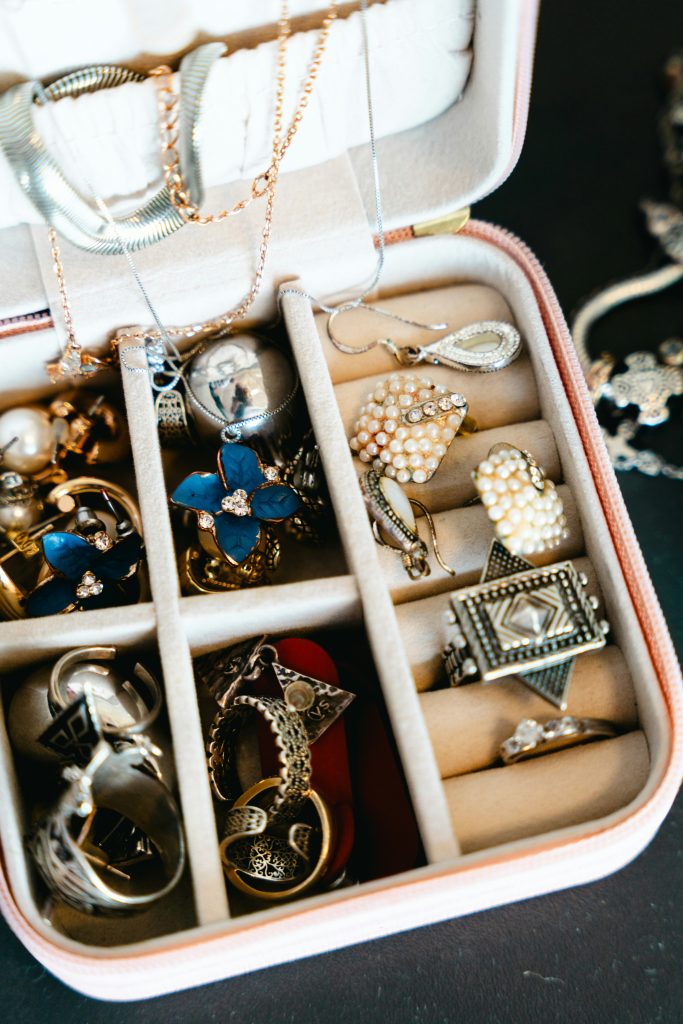
Many of us learn, slowly and unintentionally, to attach who we are to what we own.
We accumulate proof of being responsible.
Evidence of being creative.
Symbols of success, ambition, healing, or belonging.
At first, this feels reassuring. Objects help us stabilize during uncertain seasons. They remind us of who we are trying to become or who we needed to be to survive.
Over time, though, something subtle shifts.
Instead of possessions supporting identity, they begin to hold it.
Introducing Acquired Identity: Why Decluttering Feels Emotional
An acquired identity forms when aspects of selfhood become dependent on external objects for validation, regulation, or continuity.
It’s not vanity.
Not materialism.
It’s not lack of gratitude.
It’s an adaptive response.
When internal safety, clarity, or self-trust feel unavailable, the psyche looks outward for something solid to hold onto. Objects become anchors. They ground us when we don’t yet know how to ground ourselves.
This is why decluttering can feel destabilizing. Removing objects that old identity can feel like removing parts of the self.
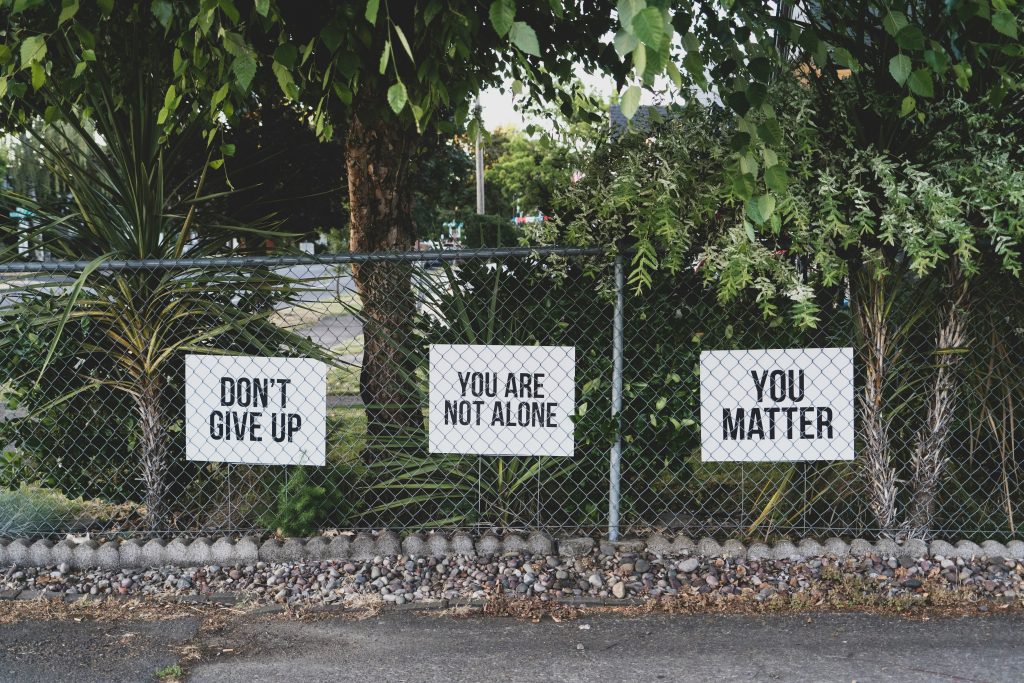
The Fear Beneath the Fear
Most people think that the fear is about waste, money, or future need.
We all remember when our parents had that giant container of fasteners, nails, screws, etc., that they always said, “You never know when you might need these,” when you questioned them.
But often, it’s deeper than that.
If I let this go, what does that say about me?
This version of me may disappear, so who am I now?
If I release this, do I lose the proof that I tried?
These questions rarely reach conscious awareness, but they shape behavior quietly and persistently.
This is why people can declutter one room and then suddenly stop. Or feel relief followed by regret. Or repeatedly organize without lasting change. Decluttering feels emotional.
The identity threat hasn’t been addressed yet.
Why Force Doesn’t Work
Traditional decluttering advice tends to push past this moment.
Be decisive.
Be ruthless.
If it doesn’t serve you, let it go.
For someone with an acquired identity tied to their belongings, this approach doesn’t create freedom. It creates fracture.
When the nervous system perceives identity loss, it resists. Not out of stubbornness, but out of self-protection.
Lasting change doesn’t come from overpowering that resistance. It comes from understanding it.
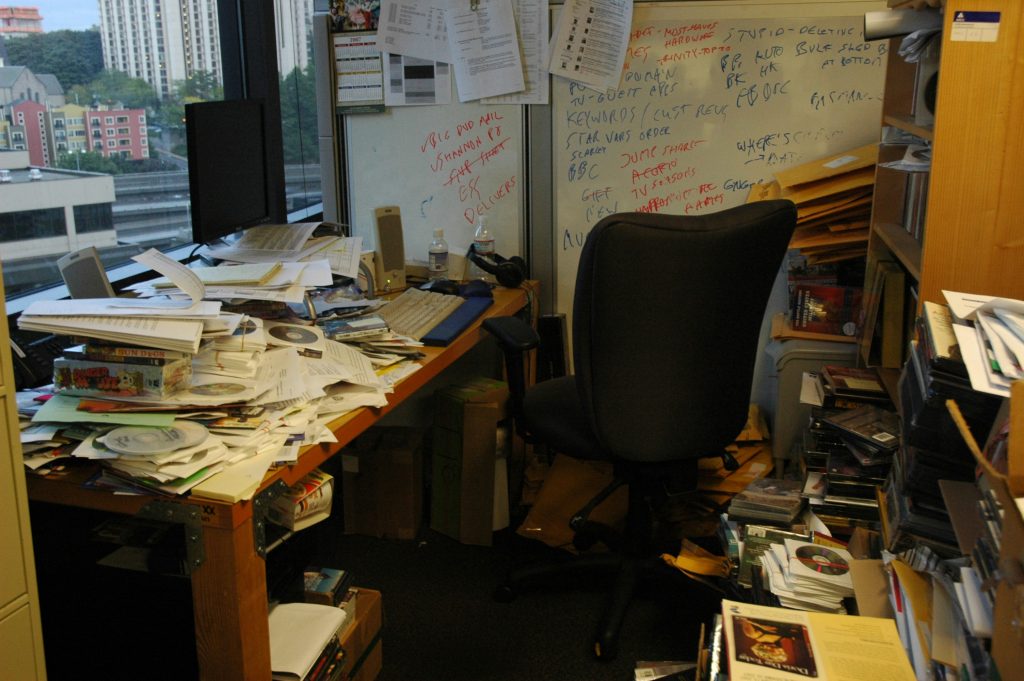
You Are More Than the Versions You Have Outgrown
Many of the objects we cling to represent past selves that were necessary at the time. These versions of who we were are why decluttering feels so emotional.
The version of you who needed security.
The variant of you who was hopeful, striving, or becoming.
The version of you who was doing the best they could with what they had.
Letting go of those objects does not mean rejecting those selves.
It means acknowledging that you no longer need physical proof to honor them.
Identity does not disappear when it’s no longer externally reinforced. It integrates.
Reclaiming Identity From Objects
When identity begins to move back inside, something changes.
Objects lose their emotional charge.
Decisions feel clearer.
Letting go becomes quieter, almost anticlimactic.
This doesn’t happen through discipline. It happens through internal reorientation.
When you learn to hold your values, worth, and self-concept internally, possessions return to their proper role: supportive, not defining.
A Different Way Forward
If decluttering has even felt overwhelming, destabilizing, or strangely emotional, there is nothing wrong with you.
Your system was protecting something it believed was essential.
The path forward isn’t to push harder. It’s to rebuild internal order so your identity no longer needs external storage.
When that happens, releasing what no longer fits doesn’t feel like losing yourself.
It feels like coming home.
Join the waitlist for The Order Within™ Method, opening for enrollment soon here.