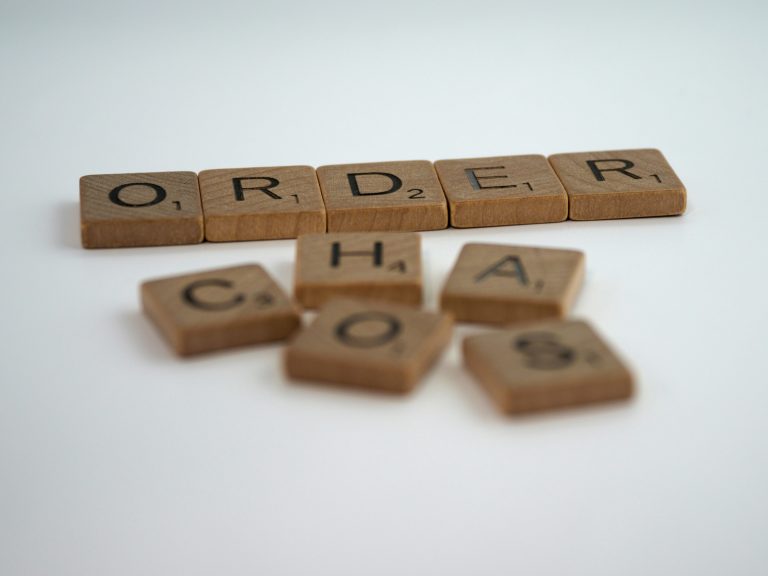
Most people don’t even notice when their home stops serving them. They notice when it starts whispering judgments. The piles, the drawers that are overflowing, the rooms we close the doors to. Not because they are messy. But because they feel… well, heavy.
Clutter is not the problem. It’s a symptom. And your home reflects internal states we have learned to manage silently.

The Home as an Emotional Container
Your home is a collection of YOU.
The things in the home represent who you are, who you were, and who you long to be.
We keep random things to remind us of these versions of ourselves. The jeans that we keep because we are going to fit back into them “one day”. The supplies for a new hobby that seemed fun, but you just have never prioritized time to do it. The massive amounts of beauty products in the bathroom that you used once, hated how you looked, and never used again.
Every one of these things in your home represents some version of you.
Why Clutter Triggers Shame
We all see the same gorgeous images of perfectly ordered homes online. You know which ones.
The open cabinets with nothing out of place.
The cute boxes holding all of the kids’ games and toys in a perfectly decorated living room.
Now, say this out loud with me….
These Houses Are Fake!
Start saying this every time you see these pictures and wonder why you can’t have the same in your own home.
These Houses Are Fake!
Either no one lives in these homes, or they were perfectly staged to be how they look for just long enough to get the perfect picture. It’s nowhere near reality.
Shame stemming from this is illogical. You literally will never be able to achieve this unrealistic standard in your own home. Never.

How “Just Get Organized” Ignores the Nervous System
I have heard so many people tell others to “just get organized” over the course of my career. It hurts me, so I can only imagine how the person asking for help feels. It has to be painful.
If it was that simple, it would be done by now.
Saying this to someone struggling with disorganization only triggers their “fight or flight” repsonse in the brain. There is a threat implied, and the body starts releasing stress hormones. So, the dismissal and judgement really and truly can make someone feel ill. This doesn’t even begin to touch on the brain response- inhibiting impulse control and decision-making skills. The constant stress of the situation is already creating a state of constant, high-alert function, which can then lead to fatigue and anxiety.
The statement is not helpful. In my opinion, it’s actually seriously detrimental to the person you are trying to help.
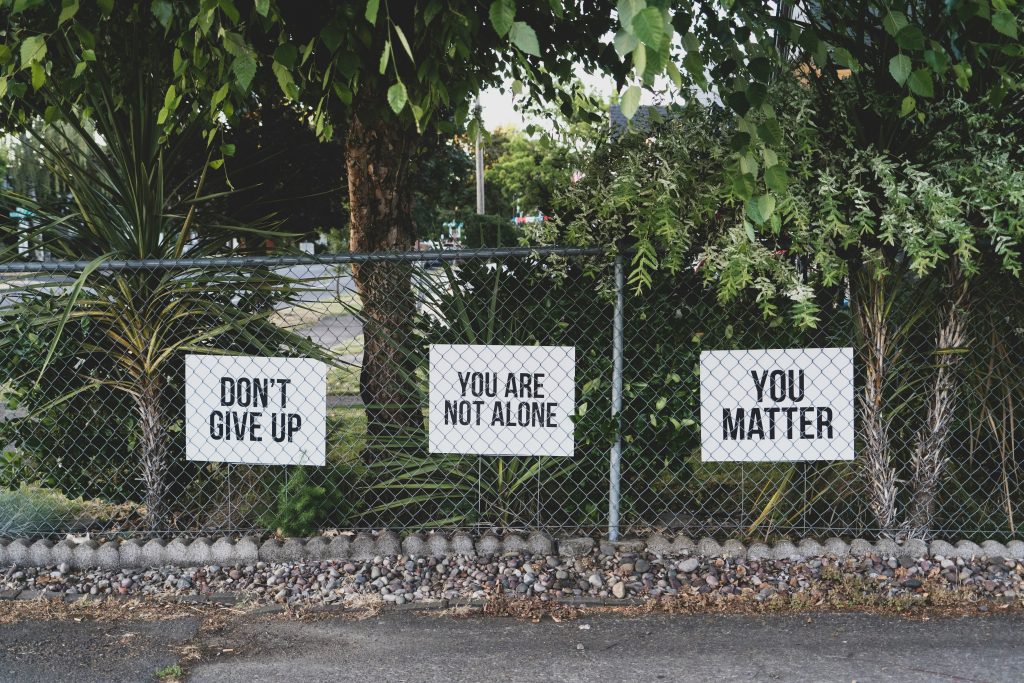
You Are Not Failing; You Are Coping
Your clutter is not a personality flaw. It’s a coping mechanism.
Your clutter may be providing a false sense of security. It may also be a protective barrier in your mind to anxiety, trauma, or fear of loss.
Having chronic disorganization and clutter is a cycle. The things that the clutter initially protected you from are now being caused by the clutter. Facing the emotional clutter in your own self is the only sure way to ensure lasting results to the issues you are now faced with.
The Order Within™ Method
Want to learn more about what The Order Within™ Method is and how it can help you with your long-term clutter control goals. Find out more here and join the waiting list for pre-order pricing (and a few bonuses!)
Or click here to get the Free Self-Assessment to find out more about what your clutter is trying to tell you.