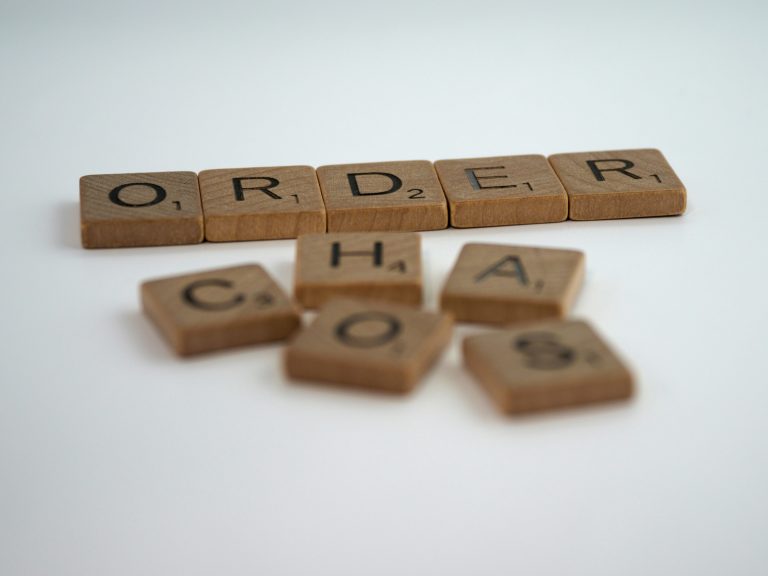
You can organize your home perfectly and still feel unsettled inside it. It’s not your house’s fault. Your internal order is not aligned. Let’s dive deeper.
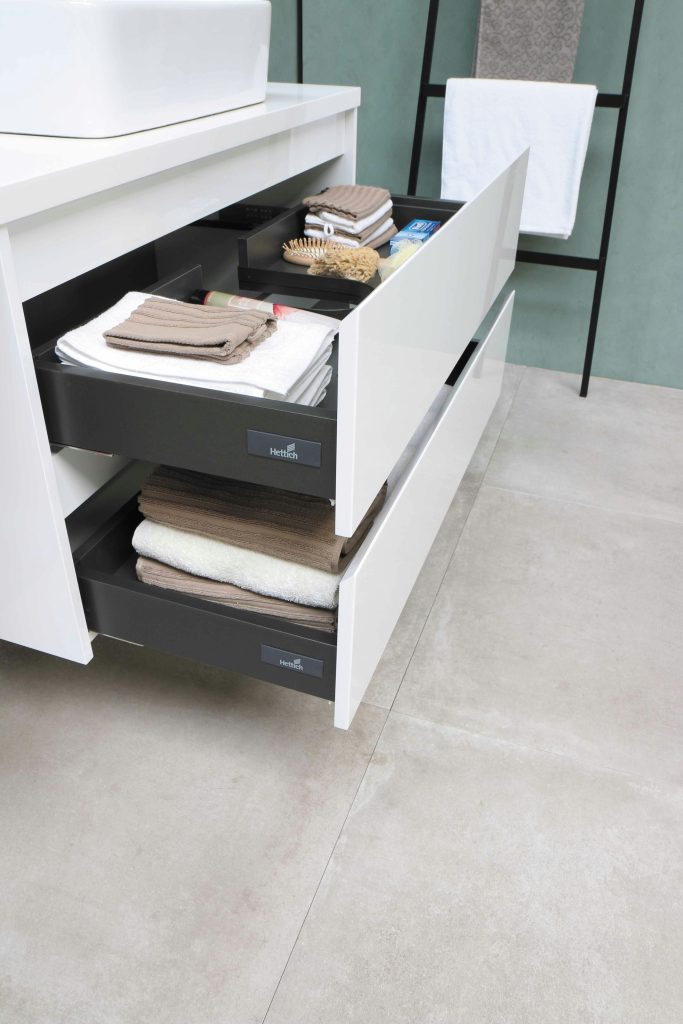
The drawers are neat. The shelves make sense. Everything has a place. And yet, something feels off. While the space looks calm, your body feels anything but.
This disconnect isn’t a failure of execution. It’s a clue.
Why External Order Only Goes So Far
Most organization advice focuses on the visible. Containers, categories, systems, routines.
While all of these tools can be helpful in creating structure and reducing friction in your space, there is more needed. For many people, even the most gorgeous, perfectly organized space is merely a temporary fix.
Clutter slowly returns. The overwhelm creeps back in. And the sense of unease in the home never really left. The best intentions can only fix so much.
When this happens, people often assume that they lacked discipline or consistency. In reality, something more foundational was never addressed.
External order was applied without internal order to support it.
Just like a book, it can have the prettiest cover in the entire store, but if the story isn’t well written or interesting, it’s just never going to be your favorite.
What Internal Order Actually Means
Internal order is not about controlling thoughts or suppressing emotions.
It is the ability to experience yourself as steady, self-directed, and safe enough to make choices without needing objects, accumulation, or constant reorganization to regulate your state.
Internal order allows you to:
- Decide without spiraling
- Let go without panic
- Choose what stays based on alignment, not fear
- Live in your space without bracing against it
When internal order is present, external systems work with you instead of against you.
Why Clutter Returns Without It
Without internal order, belongings often serve as emotional regulators.
- They soothe anxiety
- They reinforce identity
- They provide a sense of control when life feels unpredictable
Removing objects without replacing the internal function they served leaves a gap. The system compensates. New items enter, and old patterns resume.
This isn’t self-sabotage. It’s self-regulation doing the only job it knows how to do.

The Nervous System’s Role in Organization
Organization is often treated as a purely cognitive task. Decide. Sort. Act.
But much of what drives clutter lives below conscious thought.
When the nervous system doesn’t feel safe, it seeks stability through tangible means. Objects become grounding tools. Accumulation becomes reassurance. Keeps options becomes protection.
Internal order begins when the nervous system no longer needs external reinforcement to feel steady.
This is why sustainable change feels calm, not forceful.
Order as a State, Not a System
True order is not something you impose on your environment.
It’s a state you carry into it.
When internal order exists, decisions feel quieter. You’re less reactive to mess, less attached to excess, and more attuned to what genuinely supports your life.
You don’t organize to feel better.
You organize because you already feel oriented.

Why This Step Is So Often Missed
Internal order can’t be purchased in bins or learned through checklists.
It requires slowing down, observing patterns, and understanding the emotional and identity-based roles clutter has played.
This is uncomfortable territory for a productivity-driven culture, which prefers speed and visible results.
But without this step, organization remains performative. Beautiful, perhaps. But brittle.
Rebuilding Order From the Inside Out
Internal order develops through awareness, self-trust, and nervous system regulation, not through perfection.
As internal stability increases, the relationship with possessions shifts naturally. What once felt essential begins to feel optional. What felt overwhelming becomes manageable.
External order becomes an expression, not a compensation.
The Beginning of Lasting Change
If you’ve ever thought, Why can’t I make this stick? the answer is not more effort.
It’s a different starting point.
When you begin with internal order, the rest follows with far less resistance.
This is the quiet foundation beneath lasting organization. The part few people talk about, but many feel when it’s missing.
And once it’s in place, your home no longer has to hold what you were never meant to carry alone.
Does this resonate with you? Want to learn more about how to fix your Internal Order? Join the waitlist below for early-bird pricing and bonuses on The Order Within™ Method course when enrollment opens.